
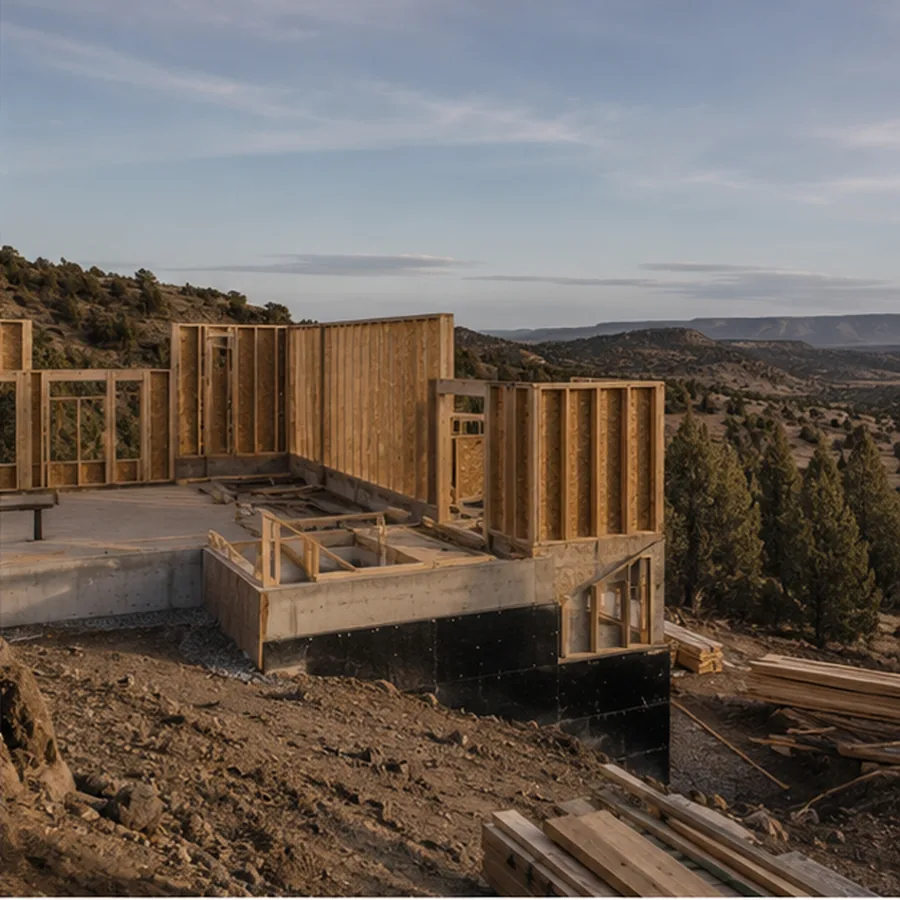
Before there is an architect
An owner can speak with a builder while evaluating land, project fit, or design-team options. The conversation should focus on feasibility questions, likely construction drivers, process, and what information the eventual design team will need—not on pretending a home can be priced before it is defined.
During concept design
This is often the highest-leverage point. Size, orientation, site strategy, major assemblies, glazing, structural concepts, finish ambition, and schedule assumptions can be discussed while the design is still flexible.
During design development
Builder input can become more specific as quantities, systems, materials, and details become visible. Procurement and constructability consequences can be tested against the evolving budget.
Late involvement
A builder can still join late, but the team should acknowledge the tradeoff: if the first construction reality arrives after major design decisions are emotionally or technically fixed, cost-driven revision becomes harder.
What builder input should not become
It should not become unlicensed architecture, engineering, or a veto on design ambition. The value is making construction consequences visible so the owner and design team can decide deliberately.
Questions to bring
What is known about the site? Which design decisions are already fixed? What investment context is guiding the design? Which materials/systems have long lead times? What assumptions are currently carrying the budget?