
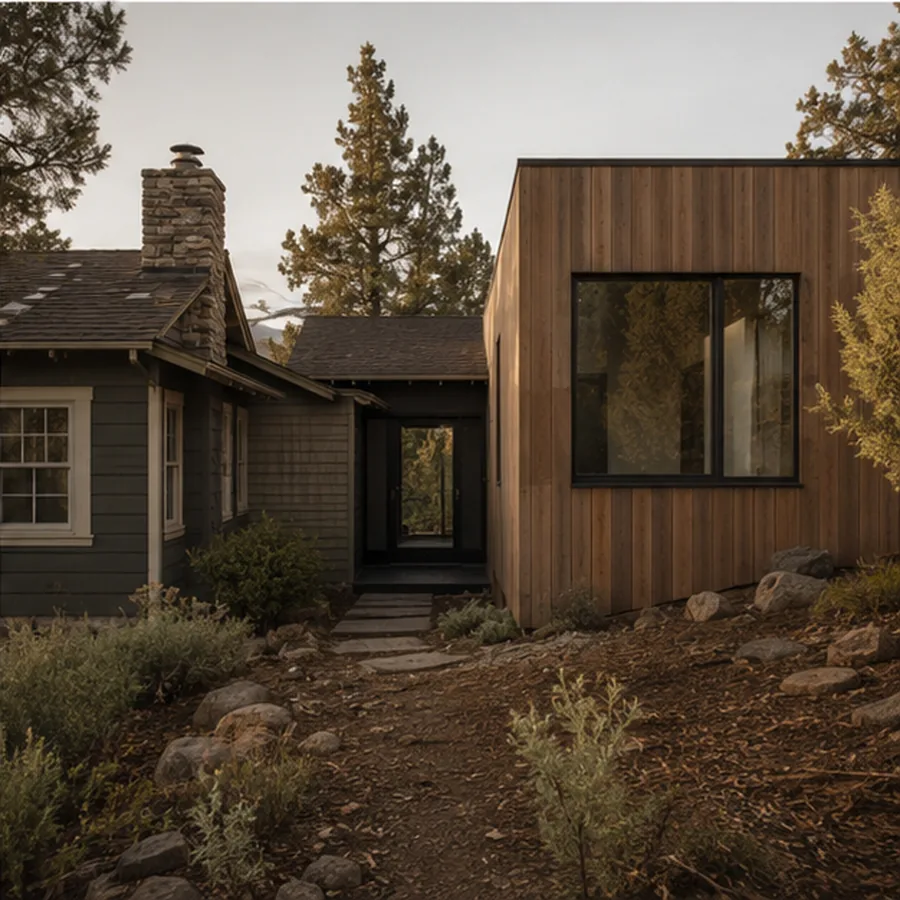
Construction scope
The budget needs a clear description of the home it is attempting to represent: size, major systems, envelope, glazing, interior scope, site work, exterior work, and the current level of design definition.
Site + infrastructure
Access, excavation, utilities, temporary conditions, staging, drainage/site work, and other project-specific site assumptions can materially affect total construction. A difficult site cannot be reduced to one earthwork line.
Design-stage uncertainty
Early design contains ranges and placeholders. The budget should say where quantities/details are not yet known rather than using a precise number to hide the maturity of the information.
Allowances
Allowances should state the category, assumed quantity/quality level, whether labor is included, and when selections are expected. An allowance is useful only when the owner can understand what decision it is standing in for.
Unknowns + contingency
Unknowns are not all the same. A visible risk list is more useful than a mysterious percentage. The budget can identify which risks are site, design, market, existing-condition, or owner-decision related and how the team plans to reduce them.
What the budget is for
The purpose is to guide decisions: size versus finish, site option, assembly choice, phasing, timing, procurement, or whether the project premise needs revision. If the budget cannot help make a decision, its precision is not doing much work.