
Scope inputs
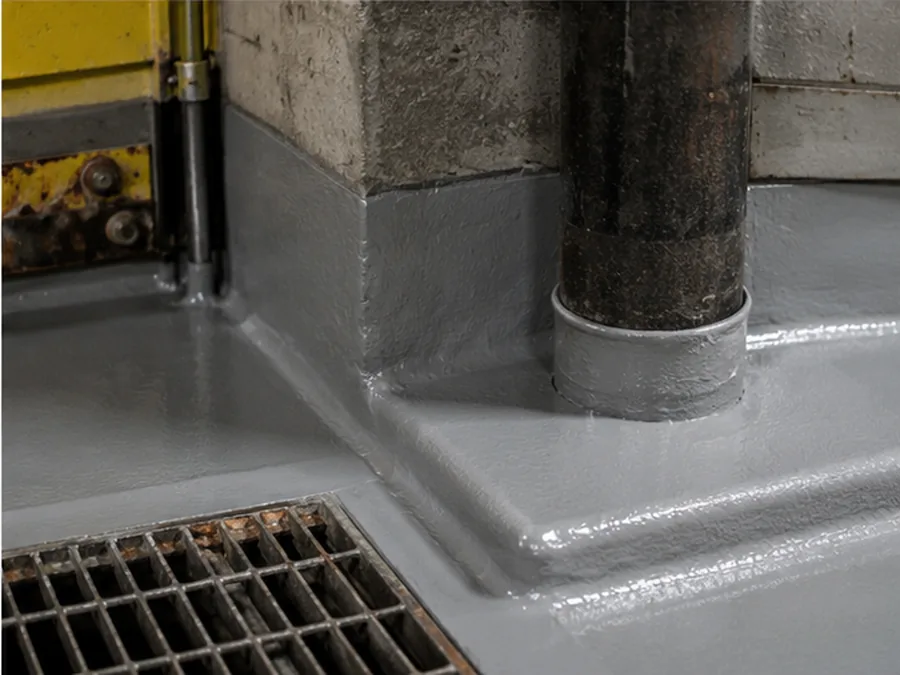
A useful first brief identifies substrate and existing lining, curbs, penetrations, drains, and transitions, exposure description supplied by owner/specifier, repair needs, access and ventilation constraints, and handoff/inspection requirements defined by project team.
What the capability includes
Field verification for scope confirmation; compatible preparation; defined repairs/details where included; application/installation sequence; cure protection; and turnover observations appropriate to the fictional scope.
What it does not claim
No engineering/stamping, environmental remediation, hazardous-material response, regulatory certification, or independent compliance determination. Product/system selection in a real project would follow specifications, exposure data, substrate testing, and manufacturer requirements.
Related decisions
Use the planning resources to separate scope-definition questions from execution. Capability pages explain what Iron Meridian would perform; resources explain how an owner should think about preparation, repair, outage windows, and pricing inputs.
Where the scope changes
Containment surfaces concentrate risk at details. A broad floor area may be straightforward while one pipe penetration, curb transition, termination, or movement joint requires a different preparation or detailing sequence. Existing lining termination and unknown substrate condition can also change what is practical.
A real scope would identify which details are contractor-executed from approved documents and which require the engineer, owner, manufacturer, or other qualified party to define. The page intentionally keeps that responsibility visible.